

Peptides- Are They For You?
Opportunities, Cautions, and Holistic Integration
Daryl C. Rich, D.C., C.S.C.S.
Introduction
Peptides, short chains of amino acids, act as signaling molecules in the body, influencing healing, inflammation, metabolism, and tissue repair. In our chiropractic office patients have been increasingly inquiring about therapeutic peptides for musculoskeletal recovery, metabolic health, and overall wellness. Even though peptides fall out of our scope of practice, I do feel it is importa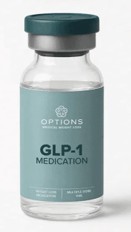 nt to weigh in on the subject and give a balanced look at peptides and help you decide if they are right for you.
What is all the buzz about?
A key category is GLP-1 (glucagon-like peptide-1) receptor agonists, such as semaglutide (Ozempic, Wegovy) and tirzepatide. These synthetic peptides mimic the natural gut hormone GLP-1 to regulate appetite, slow gastric emptying, improve insulin sensitivity, and support weight management. But do these synthetic peptides come at a cost?
The Good and The Bad
Short- and medium-term benefits of GLP-1 agonists include sustained weight loss, better glycemic control, cardiovascular protection, and possible reductions in risks for dementia, addiction, and certain neurological issues. The issue with most of these peptides is that the long-term data (beyond 2–5 years) for broad off-label use remains evolving.
Some researchers are starting to raise substantial concerns regarding GLP-1 agonists, citing links to severe gastrointestinal issues, including gastroparesis (stomach paralysis), intestinal blockages, gallbladder problems, and nutrient malabsorption. Reports of side effects including death have appeared in several lawsuits citing adverse events where these drugs disrupt normal digestion and brain signaling.
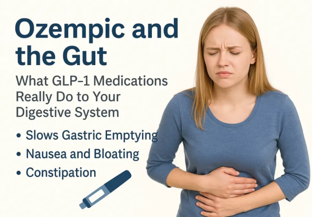 The much more common but less threatening risks include muscle loss (“Ozempic face”), hair loss, vision issues, neurological complications, psychiatric symptoms (including increased suicidal ideation), pancreatitis, and potential thyroid concerns. While acknowledging short-term weight loss and other health benefits, I feel it is important that everyone addresses the root causes of poor health through diet, lifestyle, and supporting the body’s natural GLP-1 production instead of solely relying on pharmaceutical mimics.
Administration Methods
GLP-1 peptides generally have poor oral bioavailability because stomach acid and enzymes degrade them. Subcutaneous injections (weekly for semaglutide/tirzepatide) provide reliable absorption and stronger clinical effects on weight loss compared to oral forms. Oral semaglutide (e.g., Rybelsus) exists but requires daily dosing on an empty stomach with strict timing, offers lower bioavailability, and may produce modestly inferior weight loss results. Injections offer convenience but involve needles and potential site reactions. 
What Happens When I Stop Taking A GLP-1?
Weight regain is common upon stopping a GLP-1. Often two-thirds of the weight lost within a year is regained. This can be even higher if muscle loss was not prevented by resistance weight training. As a chiropractor I become more worried about impacts on posture, joint stability, and inflammation from deficiencies or body composition changes when there is a loss of muscle mass.
Natural Alternatives and Supplements to Reduce Side Effects
I am always a big fan of doing things as naturally as one can. There are several natural approaches that can support endogenous GLP-1 production or mimic benefits of the synthetic peptides with potentially fewer risks:
- Diet and Lifestyle: Diet and lifestyle changes should be everyone’s first priority. Increasing meals that are High in protein and low in carbohydrates is a good start. Look to increase the intake of healthy fats like those found in salmon, olive oil, avocados, and most nuts. Likewise, fermented foods and bitter greens have been shown to both improve the gut flora
 helping to improve hormone production and your overall health. Of course, do not forget about some moderate exercise, quality sleep, and stress reduction as means to reduce inflammation and improve your neurological health.
 - Key Supplements: There are a few natural supplements that have been shown to improve many of the key factors that the synthetic peptides are known for. Berberine (often called “nature’s Ozempic”) activates AMPK, improves insulin sensitivity, and may boost GLP-1 secretion. Other natural foods include cinnamon, green tea extract, curcumin, and ginseng.
- For side effects created by the synthetic peptides (nausea, constipation, gut issues): probiotics, magnesium, psyllium, and hydration help.
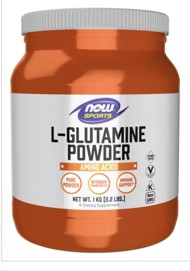
- L-Glutamine: Special recognition should be given to L-glutamine. A conditionally essential amino acid, it is highly relevant for patients on GLP-1 agonists experiencing GI side effects. It fuels intestinal cells, strengthens the gut barrier, reduces permeability (“leaky gut”), and supports recovery from inflammation or slowed motility.
Likewise, some evidence suggests L-glutamine can stimulate GLP-1 secretion and help manage blood sugar responses. For those with gastroparesis-like symptoms or malabsorption, it aids mucosal repair. L-glutamine is also very helpful in preserving muscle mass and should be paired with resistance training to prevent this major side effect of the synthetic peptides. The typical supplemental dose is 10g/day. It is generally well-tolerated, with mild side effects like constipation or nausea possible at high doses.
Discontinuing Peptides
Abrupt stopping of GLP-1 agonists often causes rebound hunger, rapid appetite return, and significant weight re-gain. Gradual tapering under medical supervision is often recommended by reducing the prescribed dose over several weeks (average ~9 weeks in some studies). This helps the body adjust and preserves more benefits.
Some of the strategies that I have recommended to patients are:
- Intensify high-protein, high-fiber nutrition and strength training to preserve muscle.
- Maintain consistent movement and chiropractic care.
- Use supportive supplements (e.g., berberine, L-glutamine for gut recovery).
- Monitor metrics (weight, blood sugar, body composition) and incorporate behavioral coaching.
Many patients stop taking peptides due to either the side effects or the cost, but a strong healthy lifestyle foundation can help to maximize and sustain results. Chiropractic wellness plans emphasizing improved mobility and nutrition provide excellent support during transition.
Conclusion:
GLP-1 peptides offer metabolic tools but carry notable risks. Every time you have a health concern one should prioritize the lifestyle improvements that get at the root cause of the problem. I encourage every patient to collaborate with all of your healthcare providers, and focus on sustainable health. The goal of our office is to be a supporter of your health. We are here to see you become healthier than ever before.