When Stretching Is a Bad Idea
Daryl C. Rich, D.C., C.S.C.S.
[Core] Chiropractic and Wellness
CoreRoanoke.com
Many patients come to us frustrated after months or years of struggling with pain and dysfunction. The frustration is made worse by the feeling that the advice they have listened to changes from provider to provider. We are writing this newsletter to help make sense of at least one area of confusion, that is the topic of stretching. Stretching is often the advice given by doctors, trainers, therapists, and friends but it is not always the best advice to take. In fact, stretching often does not deliver relief but can actually increase a patient’s pain, stiffness, or postural issues.
Stretching is not a universal fix. Timing, context, and individual mechanics matter enormously when we decide whether we should stretch or not stretch. World renowned researcher, Dr. Stuart McGill, has shown that repeated spinal flexion (forward bending) under load or in sensitive backs can damage discs and irritate nerves. Often the “tightness” that we feel in a muscle is a protective response rather than simple muscle shortness and stretching only irritates the system more. Similarly, we may feel a need to stretch a muscle that is “tight” because it is long or has laxity. This can frequently worsen the muscle imbalance and without building proper stability make it worse. We see this often in patients with poor posture.
How Stretching Can Create or Worsen Bad Posture
Prolonged sitting often leads to shortened hip flexors, pectorals, and neck muscles, prompting people to stretch these areas aggressively. However, without corresponding stability work, this can exaggerate imbalances:
- Excessive lumbar lordosis (swayback or anterior pelvic tilt):
Stretching hip flexors or the lower back without glute and anterior core activation can increase the arch in the low back, straining facet joints and discs. Many “tight” hamstrings or hip flexors are neurologically protective—stretching them bilaterally lacks strong evidence for back pain relief and may reduce the natural “spring” in typical movements.
- Rounded shoulders and forward head posture:
Over-stretching the trapezius, shoulder, and neck muscles without strengthening the upper back retractors and deep neck flexors allows the shoulders to roll forward more easily. I warn patients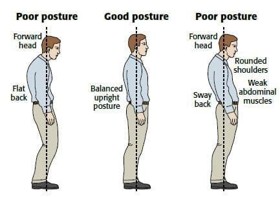 against stretching through extreme laxity or hypermobility. The “tightness” felt is often the body’s way of creating stability in unstable areas. Adding more length without control can lead to joint stress and persistent poor posture. Instead, prioritize scapular stability and thoracic extension work.
One great general rule when deciding what should be stretched and what should not be stretched is to only stretch into positions of good posture. So many of us fight positions of bad posture all day long, like sitting and bending. Do not stretch into positions of increased sitting or bending positions. Avoid bending forward, pulling your legs to your chest, pulling the shoulders forward, or stretching the neck down into flexion as a general rule. Stretch into good posture by opening up the hips, shoulders, and torso. Then use stabilizing exercises to be able to hold better posture during our normal daily activities.
Nerve Irritation and Disc Issues: How Stretching Aggravates Pain
This is one of the most important “do not stretch” scenarios. When a disc bulge or herniation irritates the sciatic nerve root you must be very careful with the classic hamstring stretches, seated forward folds, or pigeon poses that increase spinal flexion and disc pressure. These stretches can increase the pressure on the disc bulge further inflaming the nerve.
Many patients are surprised when I tell them that their stretching might be aggravating their pain because they do get temporary relief after they stretch. This has been explained by Dr. McGill in that the relief is created by a stimulation of proprioceptors that override the pain sensations temporarily. However, the stretch frequently flares the leg pain, numbness, or weakness later by increasing the inflammation of the soft tissues or nerves. Dr. McGill explains that sensitized nerves should not be stretched; doing so adds tension to already irritated neural tissue and delays recovery. Many patients report years of worsening symptoms from “healthy and helpful’ yoga or stretching routines before learning spine-sparing strategies. 
- Try This Approach Instead:
Use McGill’s disc recovery position (prone lying with support under the chin for gentle passive extension) to help retract the bulge via hydraulic pressure changes. Gentle nerve flossing (sliders,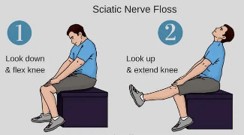 not tensioners) under guidance can help once acute nerve irritation settle. Focus on reducing flexion intolerance by performing McKenzie extension exercises to reduce disc pressure and hip flexor tightness.
***General Injury Rule from McGill: For flexion-intolerant backs (most common from sitting), avoid toe-touches, sit-ups, or pulling knees to chest. These add cumulative damage to discs, which have limited bends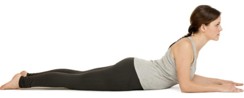 before problems arise. Really avoid these stretches or similar movements in the morning as discs are more hydrated and vulnerable after lying down overnight. Avoid aggressive forward bending or stretching to begin a workout out and instead warm up gently with walking or light activity. In acute injuries, stretching can increase inflammation and tissue damage. Remove the painful movement pattern first before adding mobility work. 
Inflamed Tendons: When Do You Stretch A Muscle?
When a tendon is highly inflamed (Tendinopathy) aggressive stretching of tendons applies unwanted tensile stress and can prolong the injury. I would suggest that you favor load management over stretching in these painful reactive phases. This is very important in the more common tendinopathies that we see here in the office: Achilles, rotator cuff, proximal hamstring, tennis elbow, and plantar fasciitis. Isometric holds are often superior for pain relief and tendon adaptation early on, an example would be a wall sit for a hamstring problem.
Decrease Pain With Exercise, Not Stretches:
- Deep neck flexors— Perform a chin tuck by making a “double chin” while holding for a count
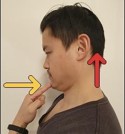 of 7. This is great for upper body pain.
 - Push-ups- The classic upper body strengthening exercise off of your knees or your feet. These are great for upper and lower back pain.
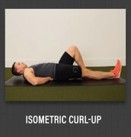
- Modified Curl-Up: Lie on back, one knee bent. Hands under low back to preserve curve. Lift head/shoulders slightly. Builds anterior core without spinal flexion to improve low back pain.
- Rowing- Either with a rowing machine, bands, or a bent dumbbell row. A
 great exercise to stabilize the upper back and neck.
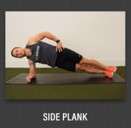
 - Side Plank (Side Bridge): On forearm and knees or feet. Keep the torso straight—strengthens the lateral core (obliques, QL) for spinal stability. This increases low back stability and improves lateral hip strength.
- A Fast Walk: A brisk short walk is often a great remedy for an irritated back, hips, shoulders, and neck. Perform this multiple times a day rather than one long walk.
- Bird Dog: On all fours, extend the opposite arm and leg while keeping the spine neutral.
 Enhances posterior core and anti-rotation control. A great exercise for those who struggle with bending and twisting motions.
These exercises create “super-stiffness” around the spine without aggravating discs or nerves, improving posture and resilience. Give them a few weeks to improve the movement and the strength of the spine for reduced pain and greater mobility.
Conclusion: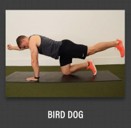
Stop guessing with generic stretches. Our office uses principle researched methods to identify your unique triggers and build a customized plan. Whether it’s sciatica, chronic tightness, or postural stress, we’ll help you move better with less pain. At [Core] we have one goal, to see you become healthier than you have ever been.