
Your Vagus Nerve: The Body’s Built-In Chill Switch
Daryl C. Rich, D.C., C.S.C.S.
[Core] Chiropractic and Wellness
CoreRoanoke.com
Have you ever wondered why deep breathing instantly makes you feel calmer? Or why humming a tune can melt away tension? Meet your vagus nerve—the longest cranial nerve (that’s cranial nerve X for the trivia fans). It is your body’s main relaxation highway, wandering from your brainstem all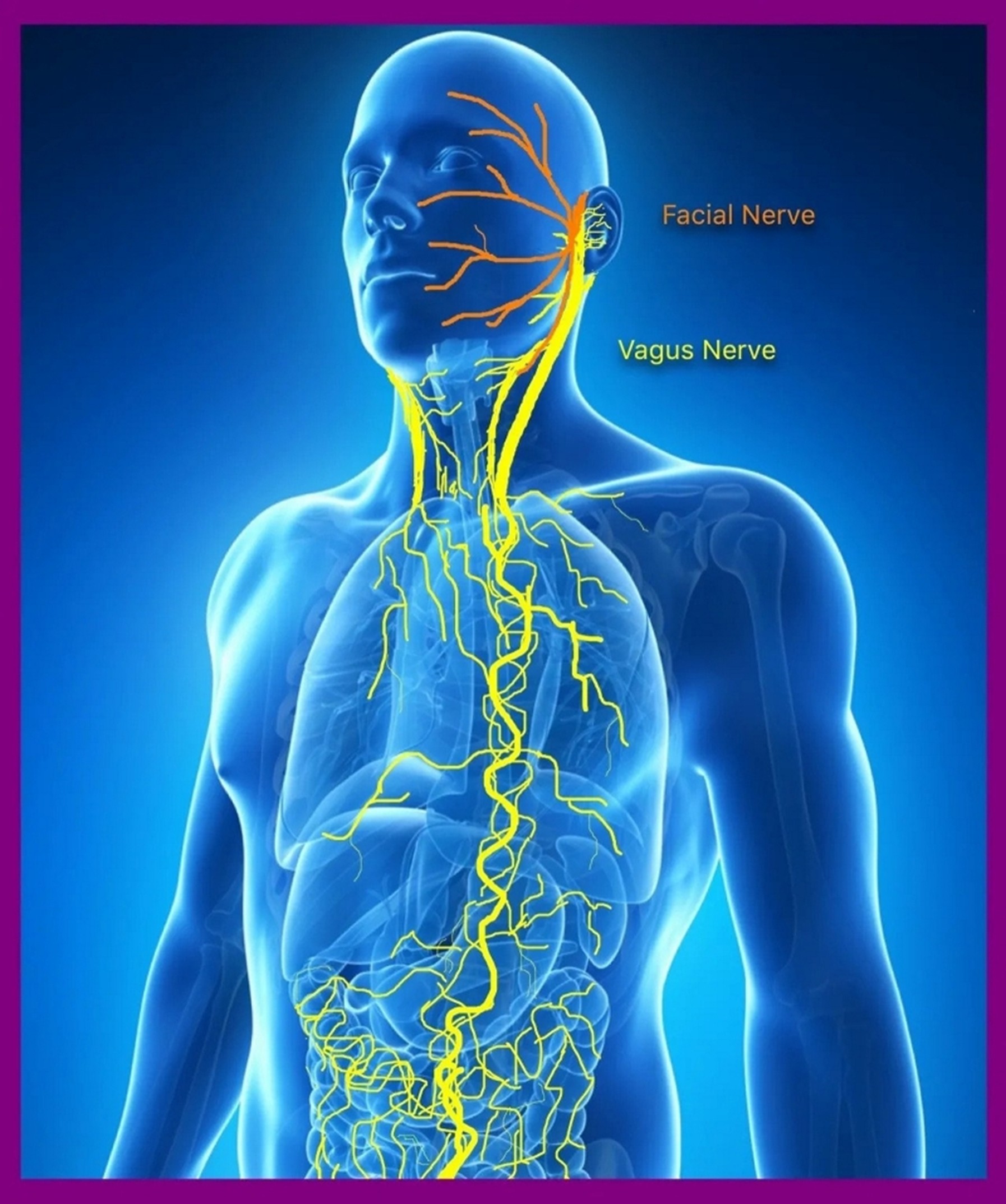 the way down through your neck, chest, and belly to connect with your heart, lungs, gut, and more.
It is often referred to as the “rest and digest” nerve. It can flip you out of stress mode (“fight or flight”) and into recovery mode. About 80% of its fibers send info up from your organs to your brain, while the rest carry commands down to keep everything balanced. When it is firing strongly (high “vagal tone”), you handle stress better, inflammation drops, digestion hums along smoothly, and your mood stays steadier.
Why It Matters for Your Health
A happy vagus nerve touches almost every body function:
Heart & Stress Resilience — It slows your heart rate during calm
moments and boosts heart rate variability (a fancy way of
saying you’re adaptable and resilient).
Gut Power — It keeps things moving, helps absorb nutrients, and links
your gut flora to your brain.
Inflammation Fighter — It dials down over-the-top immune responses
to keep chronic issues in check.
Mood & Mind — It helps release
calming chemicals, easing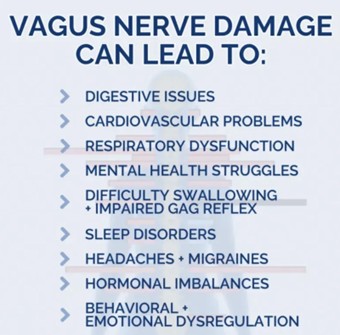
anxiety, depression, and even
sharpening focus.
Low vagal tone? We will get to
what causes low vagal tone
in just a bit, but know that
low vagal tone can cause
fatigue, bloating, anxiety,
irregular heartbeats, or
ongoing inflammation.
What Causes Low Vagal Tone?
Common culprits include:
- Long-term stress (physical or emotional) that keeps you stuck in “go” mode.
- Infections (like post-viral or flu infections, Lyme’s disease, etc.) that
inflame the nerve.
- Diabetes or blood sugar swings damaging nerves over time.
- Neck/trauma issues (whiplash, poor posture, or even trauma from
birth) compressing it in the neck area.
- Autoimmune conditions, toxins, bad sleep, or just advanced age
wearing it down.
The good news? Many causes are fixable or improvable early on with a few simple lifestyle tweaks.
How To Improve Your Vagal Nerve Tone
You can wake up your vagus nerve daily with simple habits—no fancy gear needed. Try these:
- Deep Breathing — Inhale 4 seconds, hold 4, exhale 6–8. Slow breaths (5–7 per minute) are gold for vagal tone.
- Cold Plunge — Try a quick cold plunge or cold shower to trigger the “dive reflex.”

- Humming/Singing/Gargling — Vibrations cause the nerve to increase its signal, calming the brain.
- Movement — Walking, yoga, or light exercise shifts you to “rest” mode after.
- Laugh, Pray, or Meditate — These all ramp up feel-good thoughts and emotions which improves vagal activity.
Do these consistently, and you’ll likely notice easier calm, better digestion, and more energy.
Pro Help: Chiropractic & More
In our office we love how upper cervical adjustments relieve pressure on the vagus (especially if neck alignment is off). Many patients see better HRV, less stress, and improved gut/mood function after an adjustment.
In cases of soft-tissue injuries creating low vagal tone, we use Active Release Technique to untether the nerve and restore function. This soft-tissue technique is wonderful for reducing scar tissue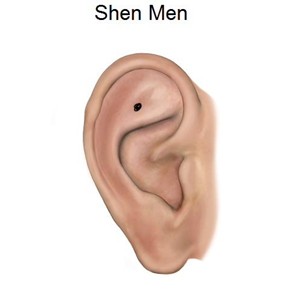 that is impeding nerve flow.
Acupuncture, especially ear points, can be a great tool for quick vagal activation. The point, Shen men, has been used for centuries to calm anxiety, reduce heart rate, and create deep relaxation.
Supplements can help
Supplements like omega-3s, probiotics, magnesium, choline, or B12 can support it too. Make sure to talk with us about the details on how to use these supplements to improve your vagal tone.
CBD & GABA
These two supplements are widely regarded as the best natural supplements to calm and relax.
- CBD often buffers stress, improves recovery, and aids gut-brain
calm (great alongside breathing or adjustments).
- GABA promotes relaxation, lowers stress hormones, and works
via gut signals to the vagus—handy for anxiety or winding
down.
These supplements are supportive tools, not cures. They work best when you use them in conjunction with the lifestyle changes and professional care that we described above.
Bottom line: Your vagus nerve is key to feeling balanced, resilient, and truly well. Small daily habits, professional care, and a good supplementation plan can make a huge difference. If you are struggling with stress, digestion, or low energy, talk with us so we can help you become healthier than you have ever been.
Vagus Nerve Support
Supplement Sale
GABA and CBD Oils
10% off this week!