

The Best Sleep Positions For Your Back
Daryl C. Rich, D.C., C.S.C.S.
[Core] Chiropractic and Wellness
CoreRoanoke.com
Introduction
Sleep is essential for overall health, but the positions that we sleep in at night play a crucial role in maintaining spinal integrity. Approximately one-third of life is spent sleeping, making these choices pivotal for daily function and longevity. The spine, a complex structure comprising vertebrae, discs, and nerves, requires proper alignment to prevent pain, stiffness, and long-term issues such as herniated discs or chronic back pain. Poor sleep positions can exacerbate these problems by placing undue stress on the spine’s natural curves. Conversely, optimal positions promote neutral alignment, reducing pressure and allowing for tissue repair overnight.
Beneficial Sleep Positions for the Spine
Maintaining a neutral spine during sleep minimizes strain on muscles, ligaments, and joints. The two primary recommended positions are sleeping on the back and on the side, each with modifications to enhance support.
Back Sleeping (Supine Position)
Sleeping flat on the back is widely regarded as the optimal position for spinal health. It allows for even weight distribution across the body, preserving the spine’s natural curvature without twisting or bending. In this position, the head, neck, and spine remain in alignment, reducing pressure on the discs and preventing neck strain. To optimize, place a small pillow under the knees; this helps maintain the lower back’s curve and takes tension off the hip flexor muscles reducing the compressive load on the joints of the lower lumbar spine. This position and modification distributes pressure evenly across the low back and can reduce symptoms like stiffness upon waking. However, it may not suit everyone, such as those with sleep apnea, where side sleeping is preferable.
Side Sleeping (Lateral Position)
Side sleeping is the most common position and ranks as a strong alternative for spinal health when done correctly. It keeps the spine elongated and can relieve pressure on the lower back by allowing slight flexion. To achieve proper alignment, place a pillow between the knees and keep your legs nearly straight. This prevents the upper leg from pulling the spine out of alignment, maintaining balance in the hips, pelvis, and spine. Avoid bringing both legs up into the chest or just the top leg. These positions mimic a typical sitting position and sitting cross-legged, both are detrimental to the low back and hips.
Side sleeping is especially helpful for pregnant individuals or those with hip or back pain. Likewise, it opens airways and reduces snoring. I would recommend using a firm pillow to keep the head level with the spine. Avoid curling the chin to chest as this can cause neck pain and headaches.
Sleep Positions to Avoid and Their Risks
Not all sleep positions support spinal health; some can actively harm it by disrupting alignment and increasing pressure.
Stomach Sleeping (Prone Position)
Sleeping on the stomach is considered the worst position for the spine. It flattens the natural lumbar curve, forcing the lower back into an unnatural arch and placing up to 50 pounds of pressure on the spine.  This compression can lead to disc strain, muscle tension, and chronic pain. Additionally, the neck must twist to one side for breathing, causing misalignment in the cervical spine, which may result in headaches, neck spasms, or upper back discomfort. Studies show that prone sleeping exacerbates non-specific spinal symptoms, including waking pain and stiffness, more than other positions. Over time, this can contribute to conditions like sciatica or arthritis aggravation. If unavoidable, place a thin pillow under the pelvis to reduce lower back strain, but transitioning to side or back sleeping is ideal for long-term health. 
Arm Positions That Cause Problems
Certain arm positions during sleep can contribute to discomfort, nerve compression, shoulder strain, and even indirect stress on the spine by disrupting overall alignment. One position to avoid is sleeping with your arms extended overhead (often called the “starfish” position when on your back). This stretches the shoulders excessively, compresses nerves in the upper back and neck, and increases pressure on the rotator cuff tendons and shoulder capsule, potentially leading to impingement, inflammation, or morning stiffness and pain. It can also strain the cervical spine if the neck hyperextends or twists slightly to compensate, exacerbating neck issues over time. Back sleepers who habitually raise their arms above their head often wake with tingling, numbness, or soreness in the shoulders and arms due to restricted blood flow and nerve irritation.
Another problematic arm position is placing your arm under your head or pillow (common with side sleeping) or letting it hang unsupported forward without cushioning. This compresses nerves like the radial nerve in the upper arm and causes prolonged pressure on the joint, resulting in stiffness, numbness, or “pins and needles” sensations upon waking. Instead, keep your arms relaxed at your sides (for back sleeping) or hug a pillow to support the upper arm (for side sleeping) to maintain neutral alignment and reduce strain on the shoulders, nerves, and spine.
In addition to avoiding arms extended overhead or tucked under the head/pillow, steer clear of positions where your elbows are sharply flexed (bent more than 90 degrees, often toward your face or chest) combined with wrists flexed (bent inward or downward). This is common in tight fetal positions, the so-called “T-rex arms” (elbows bent and hands near the face or chin), or when curling up on your side with arms drawn in tightly. These configurations place sustained pressure on key nerves reducing nerve gliding, restricting blood flow, and irritating tissues. This will frequently result in waking with “pins and needles,” stiffness, or discomfort that can persist into the day and contribute to chronic issues if habitual.
The D-Core Pillow: Enhancing Spinal Support During Sleep
Specialized pillows can complement good sleep positions by providing targeted support. The D-core cervical support pillow is designed specifically for neck and spine alignment. Its unique D-shaped center cradles the head while sleeping on the back, and dual-sized neck rolls (one larger, one smaller) offer personalized support for the cervical curve, accommodating different neck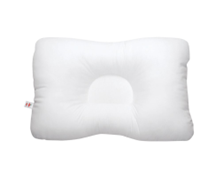 lengths and preferences. It promotes proper posture, reducing tension headaches, neck spasms, arthritis symptoms, and even snoring by maintaining open airways.  For side sleepers, the elevated sides fill the gap between the head and mattress, ensuring level alignment and easing shoulder pressure. Available in full and midsize options, it fits standard pillowcases and is recommended for those with chronic neck pain or poor sleep posture.
Benefits of NuLeaf Naturals CBD/CBN Gummies for Sleep
Beyond physical positioning, supplements can aid relaxation and sleep quality, indirectly benefiting spinal health by reducing tension-related pain. NuLeaf Naturals’ CBD/CBN gu mmies are full-spectrum edibles formulated in a 3:1 ratio.
CBD (cannabidiol) and CBN (cannabinol) interact with the endocannabinoid system to promote relaxation and support healthy sleep cycles without the “hangover” effect of some sleep aids. CBN, often called the “sleepy cannabinoid,” may enhance sedative effects when combined with CBD, helping users fall asleep faster, stay asleep longer, and wake refreshed.
Conclusion
Achieving spinal health through sleep involves selecting positions that maintain neutral alignment—favoring back or side sleeping while avoiding stomach positions to prevent strain and pain. Tools like the D-core pillow provide essential cervical support, and supplements such as NuLeaf CBD/CBN gummies can enhance relaxation for deeper rest. Implementing these strategies can lead to reduced discomfort, better posture, and improved quality of life.