
RETURN TO PLAY
Practical Guidelines for Athletes, Active People & Everyday Life:
Knowing When to Keep Going • When to Stop • When to Come Back After Injury or Overdoing It
Daryl C. Rich, D. C., C.S.C.S.
[Core] Chiropractic and Wellness Center
CoreRonaoke.com
Whether you play a sport, train hard in the gym, work a physical job, or simply overdid it with yard work, moving furniture, or a long weekend of activity the same question comes up: “When can I get back to my normal activities?” Going back too soon often leads to setbacks. Waiting too long can leave you weaker, stiffer, and less confident. The better approach is not guessing by the calendar. It is checking how your body is actually responding.
Earlier this month I spoke at the Roanoke Ballet Theatre and to their phenomenal dancers. We have been their trusted chiropractic and sports medicine provider for the past 7 years. I had the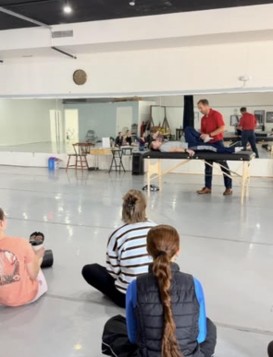 opportunity to speak to the dancers about how to build a plan to “Return To Play” or in their case, dance.
The return to play plan is simple: build capacity gradually, watch how your body responds, and make decisions based on what you can do, not just how many weeks have passed. Being ready to return to what you do best means you can handle the real demands of your sport, job, or daily life without the problem flaring up. Our goal with this newsletter is to give you the plan of how to move forward down the path to doing what you love.
The Return To Play Plan
1. Don’t Just Count the Weeks — Check What You Can Actually Do
Healing takes time, but the calendar alone is a poor guide. A tissue may be “healed enough” on paper while still lacking the strength, control, and tolerance needed for real activity. Instead of asking “How many weeks has it been?”, ask “Can I do the things I need to do without the problem coming back?” Move forward only when the body shows it is ready through better pain control, strength, movement, and function.
2. Use the 24-Hour Rule for Pain and Swelling
Mild discomfort (roughly 2–3 out of 10) during or right after activity is often acceptable if it settles by the next morning. That is the 24-hour rule: any soreness from yesterday’s work should be mostly gone when you wake up. If pain climbs higher, swelling returns, or you start moving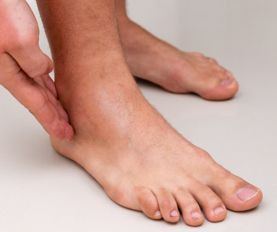 differently to protect the area, back off. Being completely pain-free is helpful, but it does not automatically mean you are ready for full activity.
3. Get Full, Comfortable Movement Back First
Before you pile on more load or jump back into sport or heavy work, make sure the joint or area moves freely and without major compensation. Watch for things like the knee collapsing inward, the trunk leaning heavily to one side, a hip dropping, or an awkward landing or lifting pattern. Good movement quality comes before higher volume or intensity. Fix the pattern first, then add the load.
4. Rebuild Strength So Both Sides Are Close to Equal
A useful target is having the injured side within about 90% of the strength of the uninjured side on key tests: single-leg bridges or squats, calf raises, or simple strength checks. Just “feeling stronger” is not enough. Hopping or jumping tests alone can hide weakness because stronger muscles higher up often compensate. Do simple side-to-side comparisons so you know the numbers are close.
Practical Tip: Strength on the injured side is one of the most commonly skipped checks. Don’t settle for “it feels pretty strong.” Compare it to the other side with a simple test you can measure and repeat.
5. Test What You Can Actually Do — Including When You’re Tired
Simple functional tests help show readiness: single-leg hops for distance, balance checks, changing direction, or lifting and carrying in ways that match your activity. Do these with good form and with the two sides looking reasonably even. Whenever possible, also test when you’re a bit tired. Many problems only show up late in a game, late in a work shift, or after a long day of household tasks, exactly when reinjury risk is highest.
6. Increase Load Slowly and Watch the Next-Day Response
Don’t jump volume or intensity all at once. A rough practical guide is to keep week-to-week increases modest (often around 10% for overall workload). After any meaningful step up, check how you feel the next morning. Little leftover soreness, no new swelling, and solid performance support moving forward. If symptoms linger or get worse, hold the line or take a step back. Managing load is an active skill that requires constant monitoring, not just waiting around hoping that it is better.
7. Rebuild in Stages — Don’t Jump Straight Back to Full Activity
Think of recovery in stages rather than going from the treatment room (or the couch) straight into full competition, full work, or a big weekend project.
Here are the stages to success:
Controlled, easier tasks
More challenging drills or tasks that still feel manageable
Activity that looks more like the real thing but with limits (shorter time, less intensity, no full contact or max effort)
Gradual increase toward normal demands
Full, unrestricted return
Clear each step before moving to the next. This rebuilds both physical capacity and confidence.
Key Distinction: “Cleared” means the tissue can handle activity without further damage. “Ready” means you can meet the real demands of your sport, job, or daily life under normal conditions without the problem flaring up.
8. Check Your Confidence, Not Just Your Body
Fear of reinjury, hesitation, or a nagging sense that something “isn’t right” can increase the chance of setbacks even when the physical tests look good. Be honest with yourself (and your clinician or coach) about how confident you feel doing the activity. Someone who is physically capable but still nervous or tentative is not fully ready. Building confidence is part of the process, not something extra.
9. Match the Real Demands of What You Do
General strength and hop tests are useful, but they are not enough by themselves. You also need to handle the specific things your sport, job, or daily life requires — cutting and changing direction, lifting and carrying, throwing, prolonged standing or walking, or working under fatigue. Test the real demands as best you can before going all-in.
10. Make the Decision Together and Plan the First Weeks Back
Good decisions involve you, our office, and (when relevant) a coach, trainer, or trusted advisor. Have a simple plan for the first couple of weeks back: shorter sessions, lower intensity, or limited minutes, with room to adjust based on how you feel. Rushing straight to full activity raises the risk of setbacks. Waiting too long can leave you deconditioned and less confident.
Supportive Tools: Creatine & Collagen Peptides
Alongside progressive loading, good movement, and recovery habits, two widely studied supplements can play a helpful supporting role for many people working their way back to the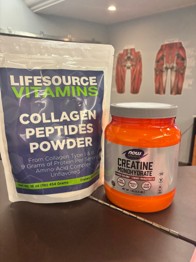 activities they enjoy.
Creatine and Muscle Repair / Strength Recovery
Creatine monohydrate helps muscle cells store and recycle energy more efficiently during short, intense efforts. It does not heal tendons, ligaments, or bones directly. Its value is practical: it helps you get more high-quality work out of rehab sessions. A simple approach is 3–5 grams of creatine monohydrate daily. Combined with progressive loading and adequate protein, it helps rebuild the capacity needed to return to the activities you care about.
Collagen Peptides and Cartilage / Connective Tissue Support
Collagen is the main structural protein in cartilage, tendons, and ligaments. Hydrolyzed collagen peptides (typically 10–15 g/day), paired with vitamin C and progressive loading, show signals for reduced joint pain, better function, and improved tendon adaptation in some studies. Emerging evidence also suggests support for cartilage metabolism, showing collagen peptides keep these cells healthy. Both of these supplements work best as supportive tools alongside progressive capacity building, helping the tissues that let you return to the activities you care about.
Conclusion:
Getting back to the things you love whether that’s competing, training, working hard, or simply moving through daily life without setbacks is rarely about waiting for a magic number of weeks to pass. It is about rebuilding capacity, respecting how your body responds, and making steady, honest decisions along the way. Use the guidelines, watch the warning signs, progress in stages, and give recovery the same attention you give the work itself. When you do, you give yourself the best chance of returning stronger, more confident, and ready for what comes next. Remember, we are here to help you along the path to recovery as it is our goal to see you become healthier than you have ever been.