
A Look Into Modern-day Protein Consumption
Carter Hudson, student intern
[Core] Chiropractic and Wellness
CoreRoanoke.com
The Rise of the Protein Craze
We’ve all heard about the benefits of protein for muscle recovery and overall metabolic function. In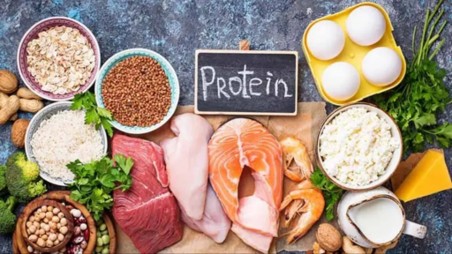 recent years, there has been a dramatic increase in protein-focused marketing and protein-enriched products. It seems like almost everything at the grocery store now advertises extra protein.
This shift reflects a broader trend toward protein-centered eating. While protein has always been an important part of a healthy diet, today’s emphasis on high-protein foods has become far more prominent than it was just a decade ago.
Why Has Protein Become So Popular?
The reasoning behind this trend is fairly simple. Proteins are made up of amino acids, which serve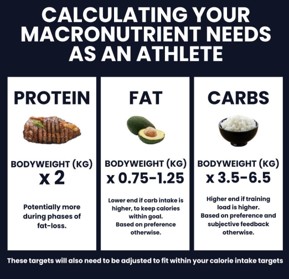 as the building blocks for repairing muscles and maintaining tissues throughout the body. The basic idea is that the more protein available, the more raw materials your body has for growth and repair.
The modern protein movement gained momentum in the late 2010s and early 2020s alongside the explosion of social media fitness content. During the COVID-19 pandemic, many people began exercising more regularly and paying closer attention to nutrition, which further fueled demand for protein-rich foods and supplements.
Understanding Calories and Macronutrients
While protein is important, it’s helpful to understand how all three macronutrients contribute to your diet.
- Protein: 4 calories per gram
- Carbohydrates: 4 calories per gram
- Fat: 9 calories per gram
Because fat contains more than twice as many calories per gram, many people assume they should avoid it altogether. However, even lean protein sources naturally contain some fat, and healthy fats are essential for hormone production, vitamin absorption, and overall health.
How Much Protein Do You Actually Need?
For the average adult, recommendations generally range from:
- 7–1.0 grams of protein per kilogram of body weight
- Up to 1.2 grams per kilogram for more active individuals
- Extreme Endurance athletes and serious bodybuilders should be closer to 1.5-2.0+. For someone weighing 70 kg (154 lbs), this equals approximately 49–70 grams of protein per day.
That amount can easily be reached through regular meals, such as:
- A two-egg omelet for breakfast
- A turkey sandwich for lunch
- A grilled chicken breast for dinner
This estimate doesn’t even include additional protein found in foods like cheese, bread, yogurt, milk, or snacks throughout the day.
Why Carbohydrates Still Matter
Many people assume that if protein is so good, why waste calories on carbohydrates—but that’s a misconception. Protein is excellent for building and repairing tissue, but it is not your body’s preferred energy source. Your body primarily relies on carbohydrates for daily cellular function and physical activity.
Before protein can be used for energy, the body must first deplete most of its available carbohydrate stores and then undergo a complex metabolic process to convert protein into usable fuel. This is far less efficient than simply using carbohydrates.
Fast-acting carbohydrates—such as potatoes, rice, bread, and fruit—are especially important before and after exercise because they provide readily available energy.
(Individuals with diabetes should follow carbohydrate recommendations provided by their healthcare provider, as blood sugar management requires additional considerations.)
What Happens When You Eat Too Much Protein?
So what happens if you consistently consume more protein than your body needs? Like any excess calories, unused protein doesn’t simply disappear. Once your body’s protein needs for tissue repair and maintenance are met, excess protein is either:
- Converted and stored as body fat
- Broken down and excreted
Unlike carbohydrates, which are readily used for energy during daily activities and exercise, protein is not efficiently stored for future energy needs.
Another consideration is digestion. Very high-protein diets may contribute to:
- Constipation
- Increased gas
- Digestive discomfort
especially if fiber and water intake are inadequate.
The Bottom Line
Protein is an essential nutrient and plays a critical role in muscle repair, tissue maintenance, and overall health. However, more isn’t always better. A balanced diet that includes adequate protein, carbohydrates, and healthy fats is generally more beneficial than focusing on one nutrient alone. The next time you reach for a “protein-packed” product, take a moment to consider whether you actually need the extra protein—or whether you’re simply buying into the latest nutrition trend. Remember, the healthiest diet is one that emphasizes balance, variety, and moderation, rather than chasing the newest food fad.
Protein Supplementation
Using a protein supplement to ensure adequate intake has become common in American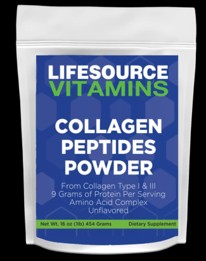 households. Protein supplements deliver complete essential amino acids, especially leucine, which stimulate muscle protein synthesis, support recovery, help build lean mass, and fill dietary gaps. A complementary option is collagen, an incomplete protein low in leucine but high in glycine, proline, and hydroxyproline. It targets connective tissues with evidence-backed benefits for skin hydration and elasticity, joint comfort, and tendon/ligament health—making the two complementary, with proteins excelling for muscle and collagen for structural support.
Our office recommends LifeSource Vitamins for protein and collagen. This family-owned, U.S.-based company (founded 1992)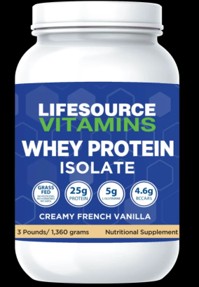 prioritizes natural ingredient forms, manufactures in FDA-registered GMP facilities, third-party tests every product for identity, potency, and purity, avoids synthetic additives, and directs 100% of profits to Christian charities—offering clean, transparent formulations aligned with quality and values.