
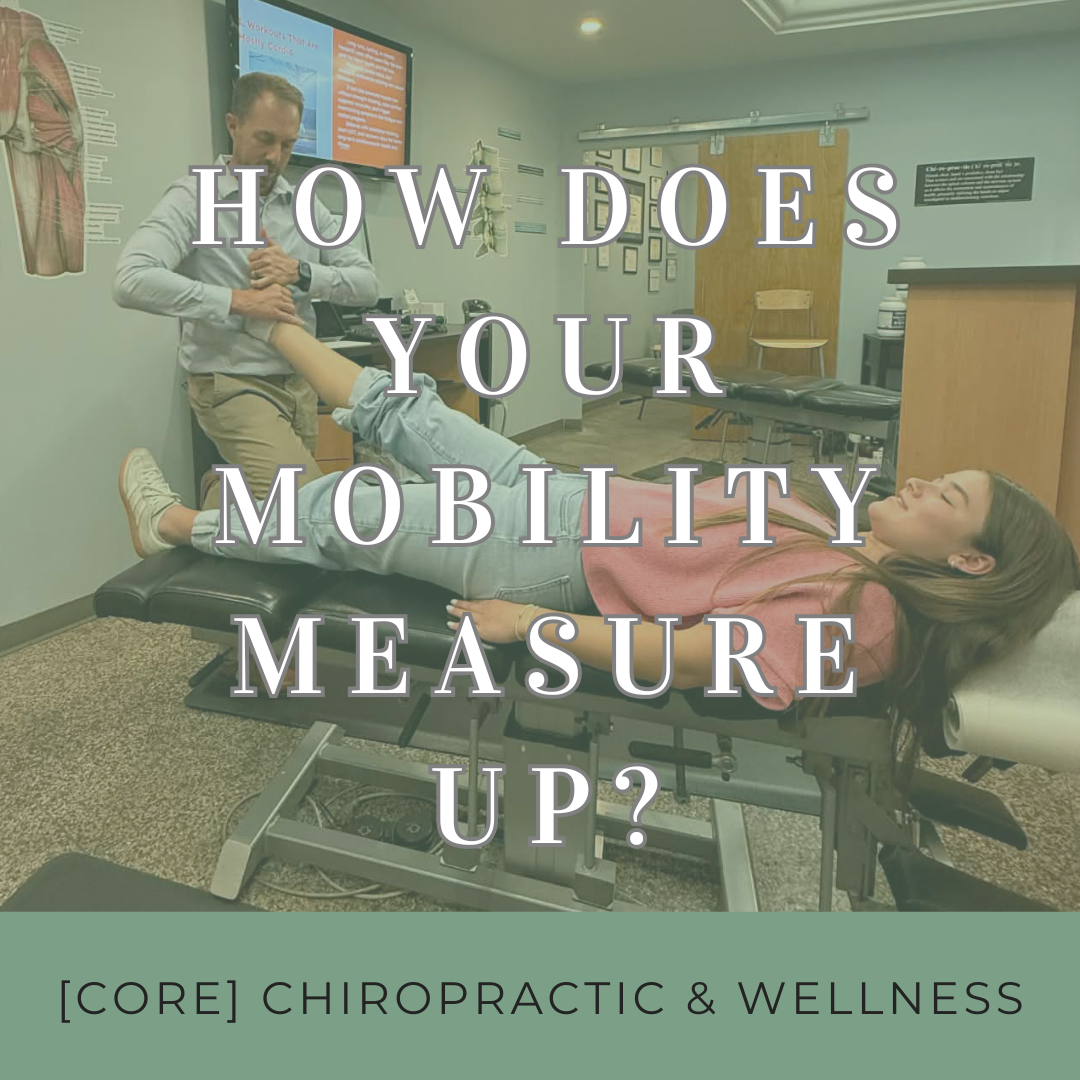
How Mobile Are You?
Simple At-Home Tests to Check Your Mobility
Daryl C. Rich, D.C., C.S.C.S.
[Core] Chiropractic and Wellness
Coreroanoke.com
Mobility isn’t just about flexibility—it’s your body’s ability to move freely and confidently through daily life. Good mobility helps prevent pain, reduces fall risk, supports spinal health, and keeps you active at any age. In fact, poor mobility is one of the greatest predictors of future health problems and premature death.
So where do you stack up? How mobile are you? Check your mobility with these easy tests you can do at home. The optimal results are based on functional norms from wellness and geriatric research. Perform each test safely on a non-slip surface. If you notice limitations or pain, it may be time for a chiropractic check-up—gentle adjustments, mobility work, and personalized exercises can make a real difference!
- 30-Second Chair Stand Test
What it checks: Lower-body strength and functional mobility (key for standing from a chair, stairs, or getting up after a fall).
How to do it (with partner):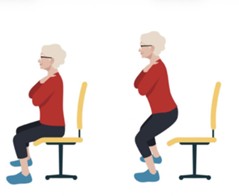
- Sit in a straight-back armless chair with feet flat on the floor, arms crossed over your chest.
- On “Go,” stand fully (no hands), then sit back down. Repeat as many times as possible in 30 seconds.
- Your partner times and counts full stands.
What “good” mobility looks like:
- Ages 20–39 / 40–59 (“under 65”): Women: 15+ reps | Men: 17+ reps.
- Ages 60+ (“over 65”): Women: 11+ reps | Men: 12+ reps.
Fewer reps? This often points to hip, knee, or core stiffness—common areas that chiropractic care targets.
- Timed Up and Go (TUG) Test
What it checks: Overall mobility, balance, and fall risk (everyday movements like walking and turning).
How to do it (with partner):
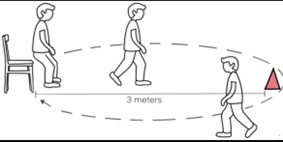
- Sit in a standard chair. Place a tape mark or object 10 feet (3 meters) away.
- On “Go,” stand, walk at normal pace to the mark, turn, walk back, and sit.
- Your partner times from “Go” until you’re fully seated.
What “good” mobility looks like:
- Ages 20–79: Under 8–10 seconds (smooth and confident).
- Ages 80+: 10–11 seconds or less.
General red flag (any age): 12+ seconds = higher fall risk.
Slower times often link to spinal stiffness or hip tightness—both responsive to chiropractic adjustments.
- Single-Leg Balance Test
What it checks: Balance and ankle/hip stability (crucial for walking, standing, and preventing falls).
How to do it (self or with partner):
- Stand tall, barefoot, hands on hips. Lift one foot off the floor (knee slightly bent). Make sure the two legs do not touch in anyway.
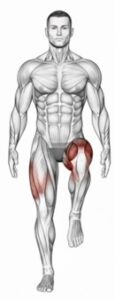
- Time how long you can hold without swaying, touching down, or grabbing support.
- Test both legs; use the worse side. Partner times and spots you for safety.
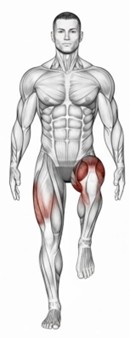
What “good” mobility looks like:
- Ages 20–39: 43+ seconds.
- Ages 40–49: 40 seconds.
- Ages 50–59: 37 seconds.
- Ages 60–69: 30 seconds.
- Ages 70–79: 18–19 seconds.
Less than 10 seconds (any age) signals increased health risks—balance training and chiropractic care can help restore it.
- Shoulder Mobility Test (Back Scratch Reach)
What it checks: Upper-body and shoulder range of motion (important for reaching, dressing, and overhead activities).
How to do it (with partner):
- Stand or sit tall. Reach one hand over your shoulder (palm down) and the other hand up your back (palm out).
- Try to touch or overlap your fingertips.
- Your partner measures the gap (in inches/cm) between fingertips or notes if they touch/overlap. Switch arms.
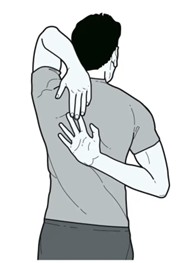
What “good” mobility looks like:
- Ages 20–39: Fingers touch or overlap comfortably (full reach).
- Ages 40–59: Fingers touch or within 1–2 inches.
- Ages 60+: Within 3–4 inches (slight decline is normal).
Note on gender/age: Men often maintain slightly more shoulder flexion/abduction; women may see faster decline in external rotation. Pain or large gaps (>4–6 inches) may indicate thoracic or shoulder joint restrictions—chiropractic excels here.
- Forward Bend Test (Hamstring & Low-Back Flexibility)
What it checks: Spinal mobility, hamstring flexibility, and lower-back health.
How to do it (self or with partner):
- Stand with feet hip-width apart, knees straight (but not locked).
- Bend forward at the hips and reach toward your toes.
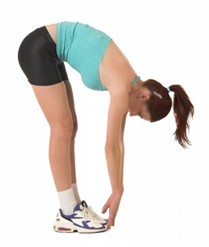
- Your partner measures the gap (or overlap) between your fingertips and the floor.
What “good” mobility looks like:
- Ages 20–39: Touch toes or beyond (palms flat on floor ideal).
- Ages 40–59: Fingertips within 2–4 inches of floor.
- Ages 60+: Within 6–8 inches (or about 7–11 inches in a seated reach variation).
Tight hamstrings or low back pain often tie to pelvic or spinal movement dysfunctions—regular adjustments plus gentle mobility drills help.
- Knee-to-Wall Test (Ankle Dorsiflexion)
What it checks: Ankle mobility, which affects squat depth, walking gait, balance, and how forces travel up to your spine and knees. Limited ankle dorsiflexion often leads to low-back or hip compensation.
How to do it (self or with partner):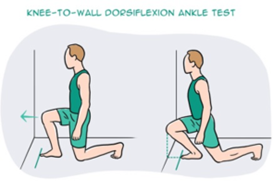
- Stand facing a wall with one foot’s big toe touching the wall (or starting close).
- Keep your heel flat on the floor and front knee aligned over your second toe.
- Lunge forward, driving the knee toward the wall without lifting the heel.
- Measure the maximum distance from the big toe to the wall where your knee can still touch the wall comfortably.
- Test both sides; your partner can measure with a ruler or tape. Repeat 2–3 times per side and take the best.
What “good” mobility looks like (approximate norms in cm from big toe to wall):
- Ages 20–39: 10–12+ cm (men and women similar; women often slightly higher).
- Ages 40–59: 9–11 cm.
- Ages 60+: 8–10 cm (decline more noticeable after 60).
Less than 8–9 cm or a side-to-side difference >2 cm often signals restrictions that chiropractic adjustments (especially to the ankle, foot, or pelvis) and targeted stretches can improve.
- Seated Thoracic Rotation Test
What it checks: Mid-back (thoracic spine) rotational mobility—critical for posture, twisting movements, driving, and reducing neck/shoulder strain. Poor thoracic rotation is a common contributor to upper-back tightness and compensatory low-back stress.
How to do it (with partner for accuracy):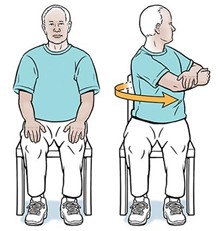
- Sit tall on a chair or stool with feet flat on the floor, knees and hips facing forward.
- Cross your arms over your chest or hold a dowel/stick across your shoulders (to lock the shoulders and isolate the spine).
- Rotate your torso as far as possible to one side without moving your hips or feet.
- Your partner observes or uses a phone app/compass to estimate the angle from your starting position (or note if you can rotate past a 45-degree line, like aligning your shoulder with a reference point).
- Repeat both directions.
What “good” mobility looks like:
- All ages 20+: At least 45 degrees each side (many healthy adults achieve 50–70 degrees).
- Ages 20–39: Often 50+ degrees comfortably.
- Ages 40–59: 45+ degrees.
- Ages 60+: 40–50 degrees is still functional; below 35–40 degrees may indicate stiffness. Gender differences are small, but men sometimes show slightly more rotation early in life, while women may maintain it better with consistent movement. Limited rotation responds very well to chiropractic thoracic adjustments and mobility drills.
- Overhead Squat Test
What it checks: Integrated mobility of ankles, hips, thoracic spine, and shoulders plus core stability and coordination. This reveals how well your whole body moves together—great for spotting patterns that lead to pain during daily activities or exercise.
How to do it (with partner):
- Stand with feet shoulder-width apart, toes slightly turned out if needed.
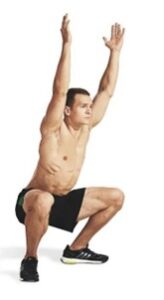
- Hold your arms straight overhead (palms facing in, like holding a stick).
- Squat down as low as possible while keeping heels flat, arms overhead, and chest relatively upright.
- Perform 3–5 slow repetitions. Partner watches from the front and side for compensations (e.g., heels lifting, arms falling forward, excessive forward lean, or knees caving in).
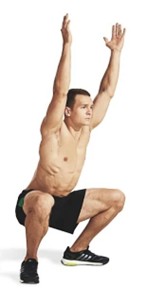
What “good” mobility looks like:
- Ages 20–39: Full depth (hips below knees) with heels down, arms staying overhead, and minimal compensations.
- Ages 40–59: Parallel squat (thighs roughly parallel to floor) or deeper with good form.
- Ages 60+: Comfortable depth to about chair height or parallel, with controlled movement (some heel rise or slight lean may occur with normal aging, but excessive issues flag limitations). Men often handle deeper loads better due to strength patterns, while women may show more shoulder or ankle restrictions earlier. Any major breakdowns (e.g., inability to keep arms up or heels down) point to areas like tight ankles, hips, or thoracic spine that chiropractic care can address effectively.
Conclusion:
Mobility naturally declines with age (about 1° per year in many joints), but it’s highly trainable at any stage. If you scored lower than expected, don’t panic. Start with daily gentle movement (walks, cat-cow stretches, or doorway chest openers). Schedule a chiropractic visit for a full mobility screen, adjustments, and a custom plan. We can combine adjustments, soft tissue work, and a customized core program to help you move and feel better.



![Acupuncture At [Core]](https://www.coreroanoke.com/wp-content/uploads/2026/06/Beige-Pink-Illustrative-Health-Wellness-Quote-Instagram-Post-500x383.png)